
Table of Contents
Introduction
Gearheads are constantly on the hunt for more speed. We scour the internet for forum posts, articles, or videos to help give us an edge. For those in the classic car world, the go-to fuel delivery mod was a racing carburetor. However, modern technology has been brought to the classic car aftermarket in the form of Electronic Fuel Injection kits. But which one is best?
In today’s article, we’re going to highlight each fuel injection system and which one may be ideal for your build!
Carburetors
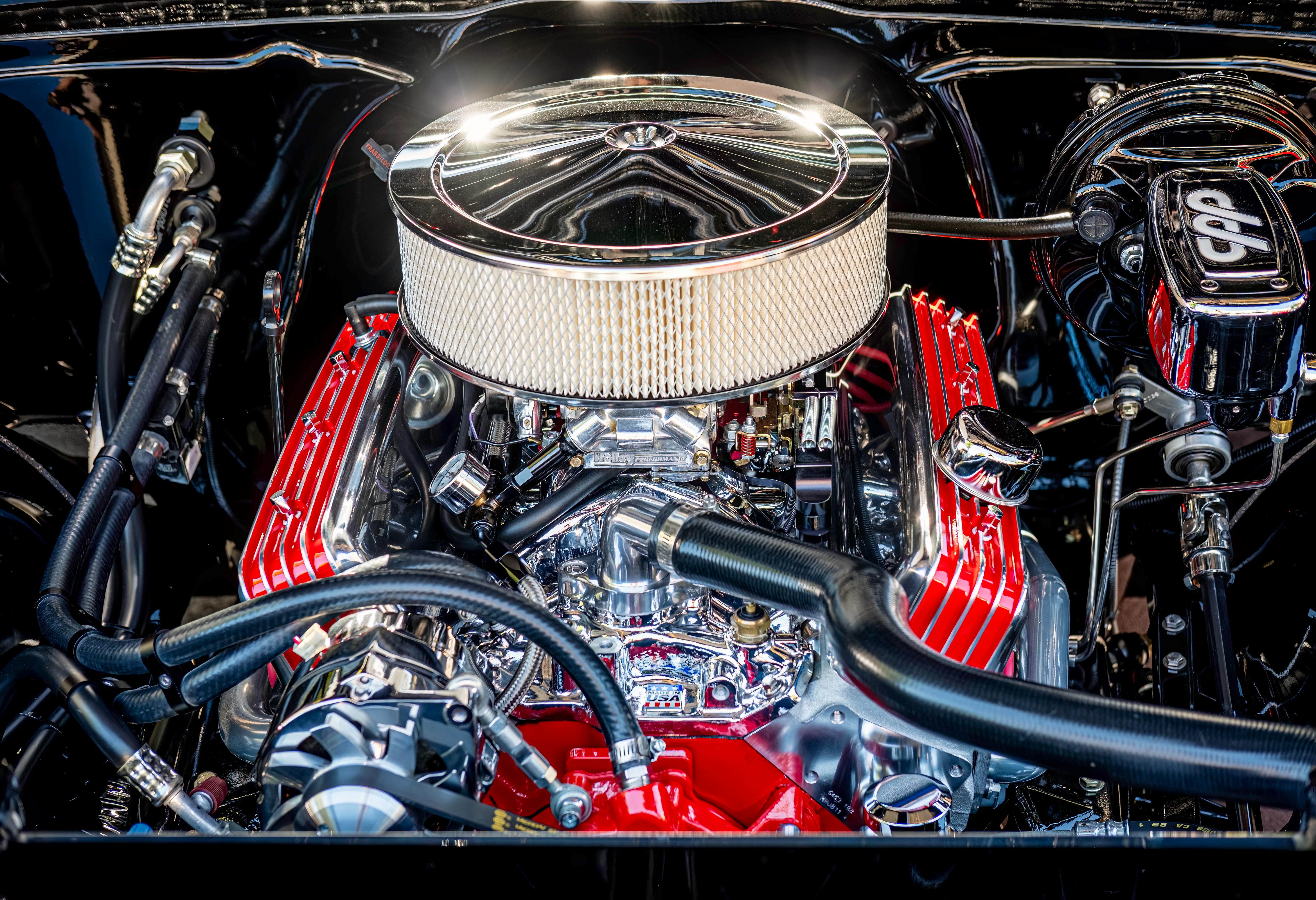
If you’re around the vintage car community, carburetors are a common sight under every hood. High performance sports cars had fuel delivered to their engines through four-barrel or even multiple smaller carburetors. To increase horsepower, using a larger carburetor allows for more air fuel in the air-fuel mixture through its enlarged passages. Overall, this system is very simple to maintain. However, due to manufacturers not producing cars with carburetors anymore, enthusiasts have to lean on the experts who have passed down knowledge over the generations.
How Do They Work?
Carburetors operate under the “Venturi Effect”. When air enters the carburetor, it passes through the venturi. The narrow passage increases air speed, which then lowers the pressure. This then pulls fuel through the jets and causes the fuel to atomize. People modify carburetors with different jets, or will go into a multi-carburetor setup to increase performance.
While carburetors are the cheaper fuel injection option, there is a powerful alternative. Electronic Fuel Injection is no longer for just modern cars. The aftermarket has blessed us with kits to transform your vintage car. But does EFI truly phase out carburetors?
Electronic Fuel Injection (EFI)
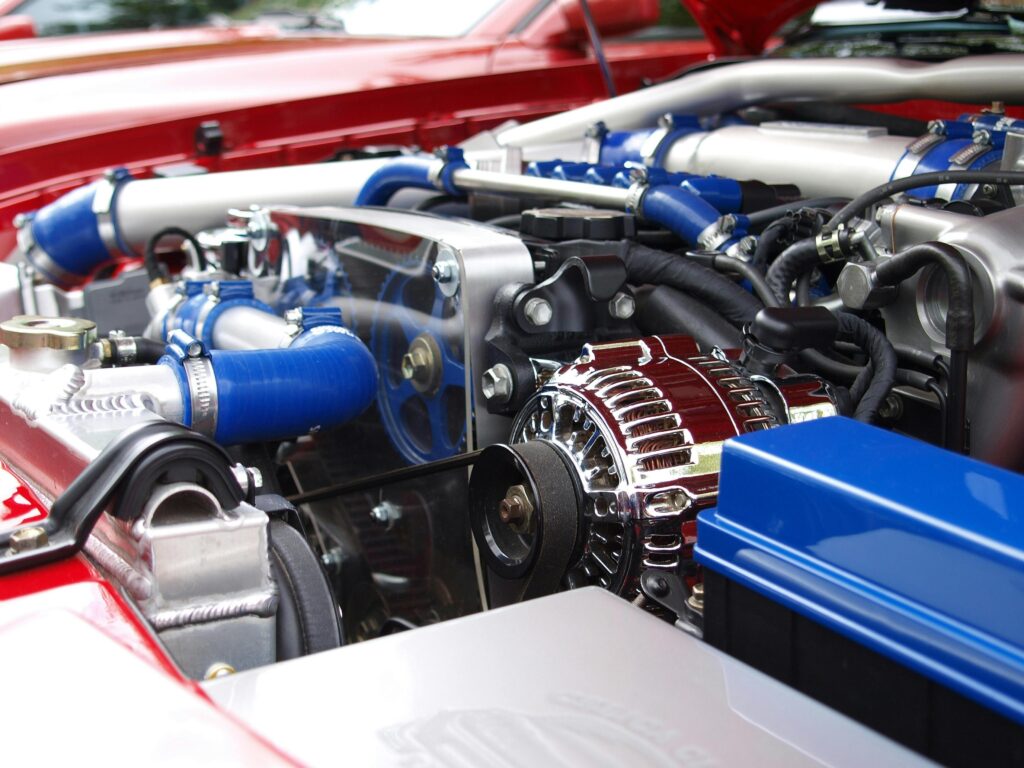
As automotive technology progressed, the need to balance fuel economy and performance was needed. Fortunately, car manufacturers developed electronic fuel injection to provide precise fueling and allow for easier engine tuning. Today, modern cars may come with direct-injection rather than throttle body injection. As the technology improves, the opportunities for generating more power becomes limitless. The on-board computers take out the guesswork and constantly evaluate your car’s condition to optimize its performance. Sounds great, but how does this compare with a carburetor?
Well, over the last decade, we have seen a massive surge of EFI conversions for classic cars. Companies like FItech, Aces, and Holley have kits available to replace your carburetor with an electronic fuel injection system. The prices vary based on system capabilities, but are relatively affordable (at least in the modified car parts world). These kits all operate with the goal of better drivability, and increased efficiency in order to deliver more power and better fuel economy. Rather than doing a full Restomod, you can save a huge amount of money and switch to EFI.
Much like many of things in this world, converting to modern tech does come with a cost. While the actual kits are not too bad pricewise, you need to have some additional parts to have a proper functioning system. An upgraded fuel tank, fuel pump, fuel lines, and wiring will ensure everything runs properly. Additionally, these kits are advertised as “self-tuning”. Personally, I would want a professional tune to get the most out of the upgrade.
Like any major modification, please consult a professional in order to have a proper installation and make sure your car runs properly. However, if you are a true DIY car enthusiast, companies like Holley offer a top-notch customer support line and plenty of video guides to assist along the way.
What Does Powershift Auto Think?
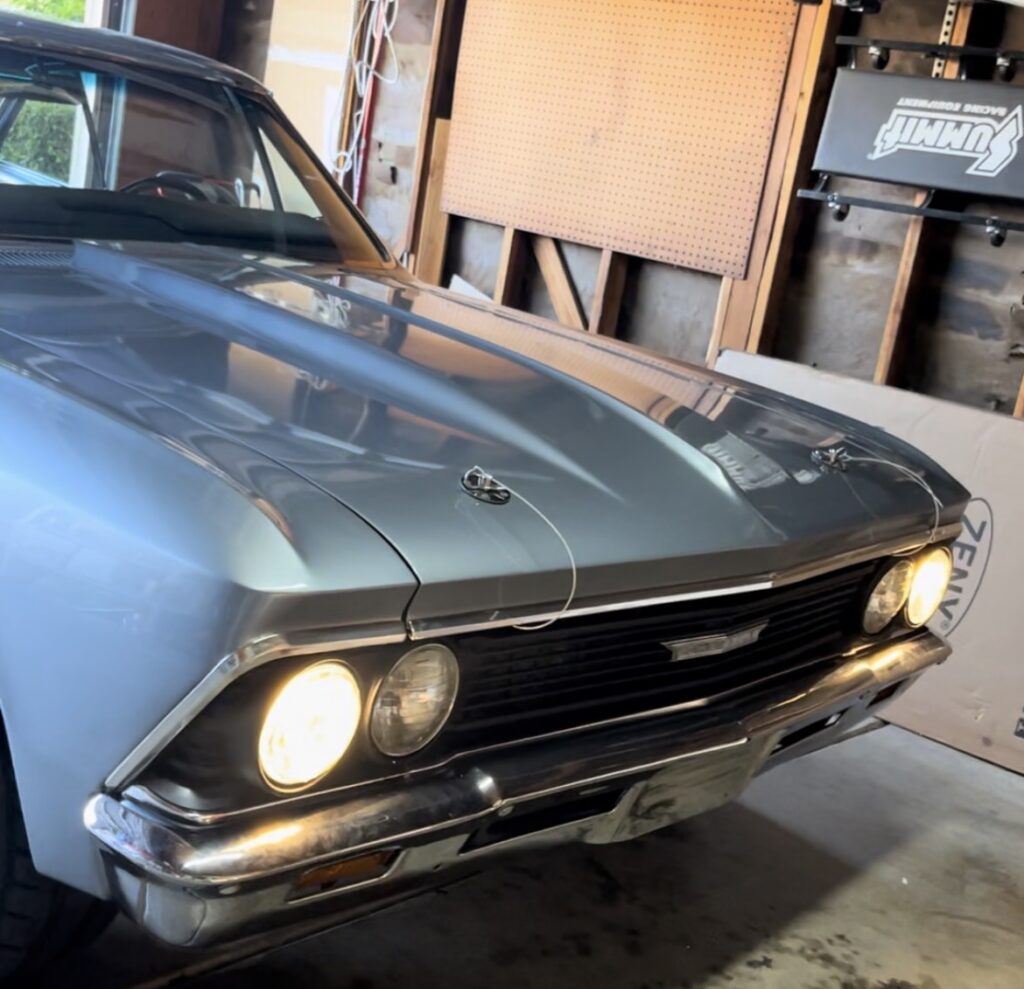
As many of you readers know, the Powershift Auto Chevelle is sporting a Quick-fuel 780 Super Street carburetor. While the carburetor works fine, the urge is there to make the conversion. What attracts us to an EFI kit is the consistency of the driving experience. Being able to drive it anywhere at any time without the need to adjust the carburetor is enticing. Also, we are on a quest for better performance out of the Chevelle with the current big block 402 it has.
However, there is something so pure about having a classic car with a carburetor. The smells, the analog simplicity, and the look is an awesome experience. Having a V8 big block engine with a carburetor is undeniably cool.
It’s a tough decision to keep the carburetor or switch to EFI. As always, once there is a decision, you all will be the first to know where we take the Chevelle.
Conclusion
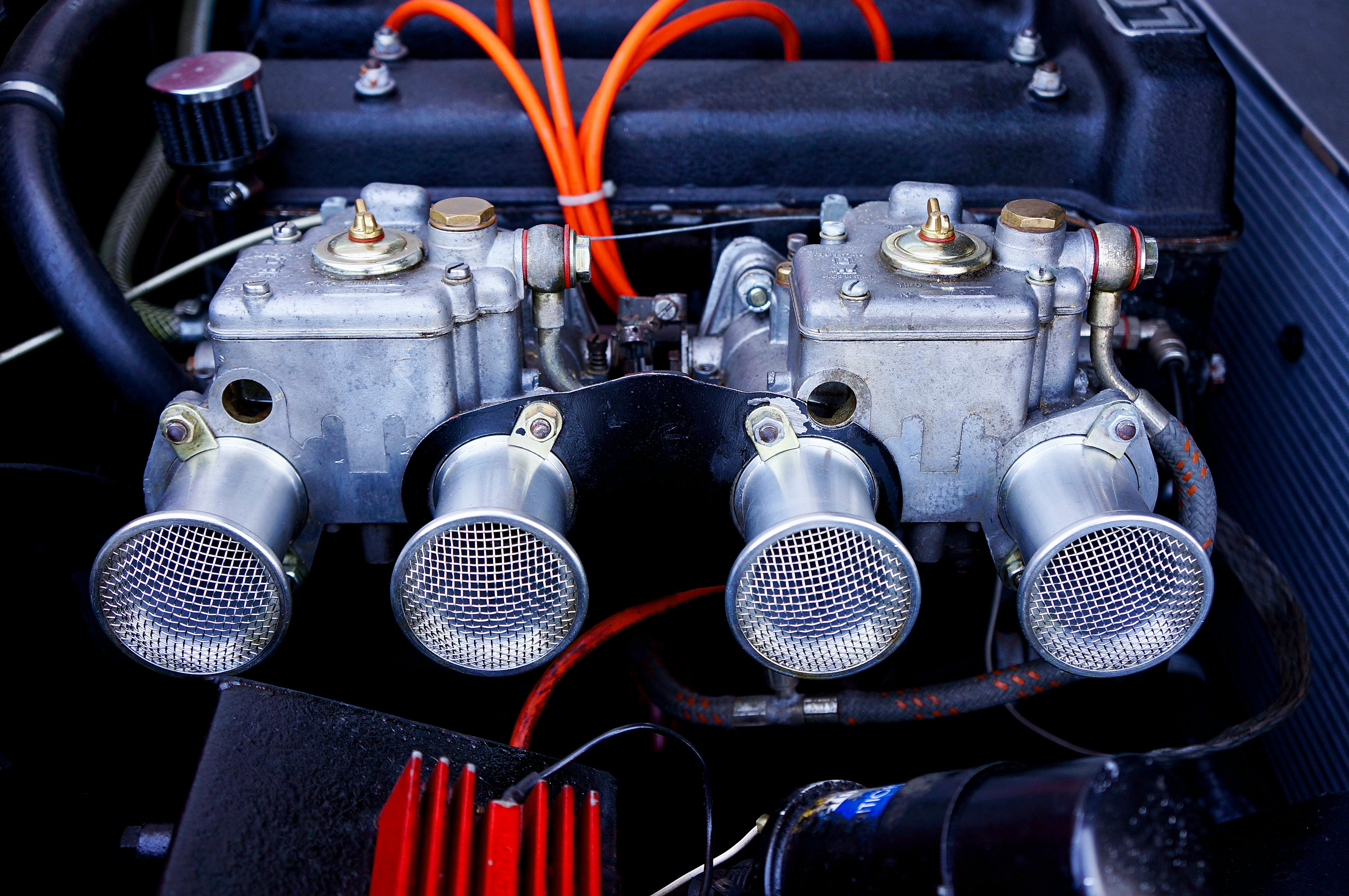
When choosing between EFI and carburetors for your car, the biggest deciding factor is your goal. Do you want to maintain the purity and simplicity of a vintage car? Or would you rather spend the money to have modern technology to potentially increase your car’s performance? Regardless, both are viable and proven methods of fuel injection and will give you the smiles per gallon you deserve.
If more automotive content is what you desire, subscribe to our YouTube channel and visit our Pinterest, or Instagram!
Keep up with the latest articles, content, and special offerings by signing up for our email newsletter!