
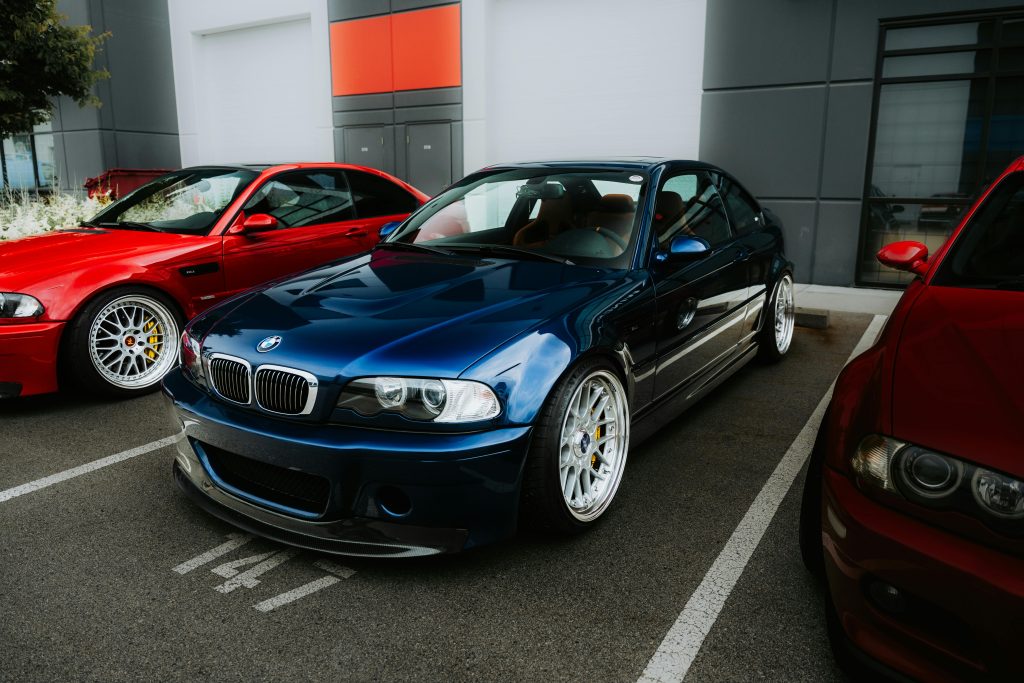
- Naturally aspirated sports cars embody driving in its purest form.
- While you may not be able to build power like a turbocharged or supercharged vehicle, the instant response, simplicity, and purity of a naturally aspirated sports car makes for a capable street or track car.
Table of Contents
Introduction
Naturally aspirated sports cars are a dying breed in the modern car world. Manufacturers are driving performance with hybrid batteries, turbochargers, and superchargers. What those types of cars miss out on providing, however, is a pure driving experience. Instant throttle response, predictable power bands, and an exhaust orchestra create a driving experience like none other. Many enthusiasts and buyers long for the simple cars of yesterday, even if naturally aspirated sports cars are slower than their counterparts.
Take the classic American Muscle car world for example. In the 60’s and 70’s, enormous V8 engines sent cars down the 1320 at lightning fast speeds. Today, cars like the Hellcat or Corvette ZR1 use superchargers and turbochargers to build massive power numbers. But does that mean naturally aspirated sports cars no longer have a place as a platform? Let’s discuss why naturally aspirated sports cars are not only viable and which ones provide amazing experiences.
The Best Naturally Aspirated Sports Cars
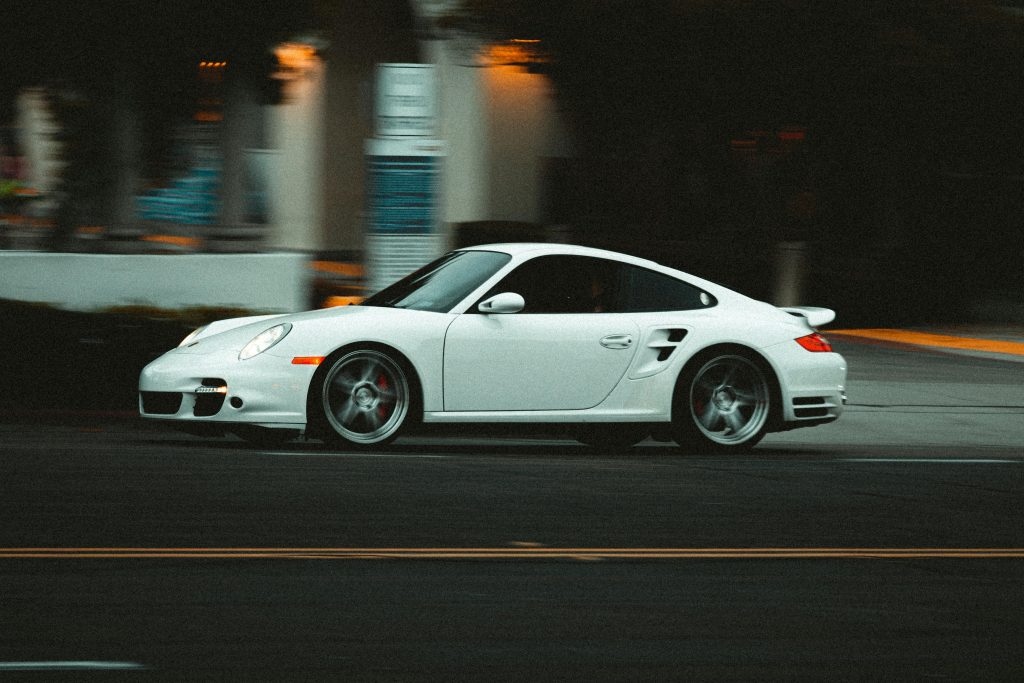
Porsche 911
Personally, the Porsche 911 is my favorite European sports car. The iconic styling and unrivaled performance is something to adore!
Since this German behemoth entered the racing world, the Porsche 911 has been known as one of the best naturally aspirated sports cars available. While many think of the 911’s Turbo models, many Porsche purists lean into the naturally aspirated flat-six. For example, the 991.1 GT3RS model produces 500 horsepower from its naturally aspirated 4.0 liter engine.
While not everyone can be fortunate enough to own a car like the 991.1 GT3RS, the base model engine is more than enough for the sports car enthusiast. Overall, the Porsche 911 is a fantastic package for any enthusiast. If you’re a European car enthusiast and need ideas for your next project, check out our favorite European sports cars here!
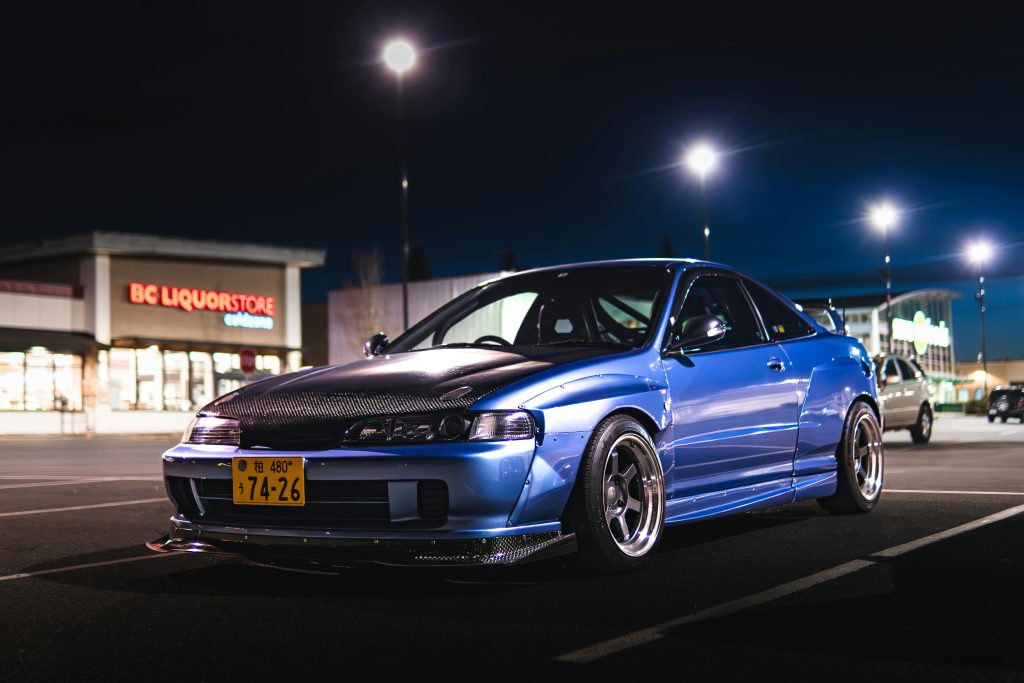
Acura Integra
Growing up as a Honda fan, the Acura Integra is a car I have always wanted to own. While today’s world is filled with turbo K-swapped Hondas, I for one yearn for a naturally aspirated B18C revving up to redline while on a canyon road. The Integra is just one of the cars that if you grew up during the 90’s and early 00’s car scene, you saw them everywhere.
What makes the Integra one of my favorite naturally aspirated sports cars is that it is a complete package. When I drove a 97 Integra GSR, I understood the hype immediately. The feel of the high-revving four cylinder engine and its stellar suspension setup was exceptional. What makes them even better it the aftermarket behind them is limitless, allowing you to build it any way you want.
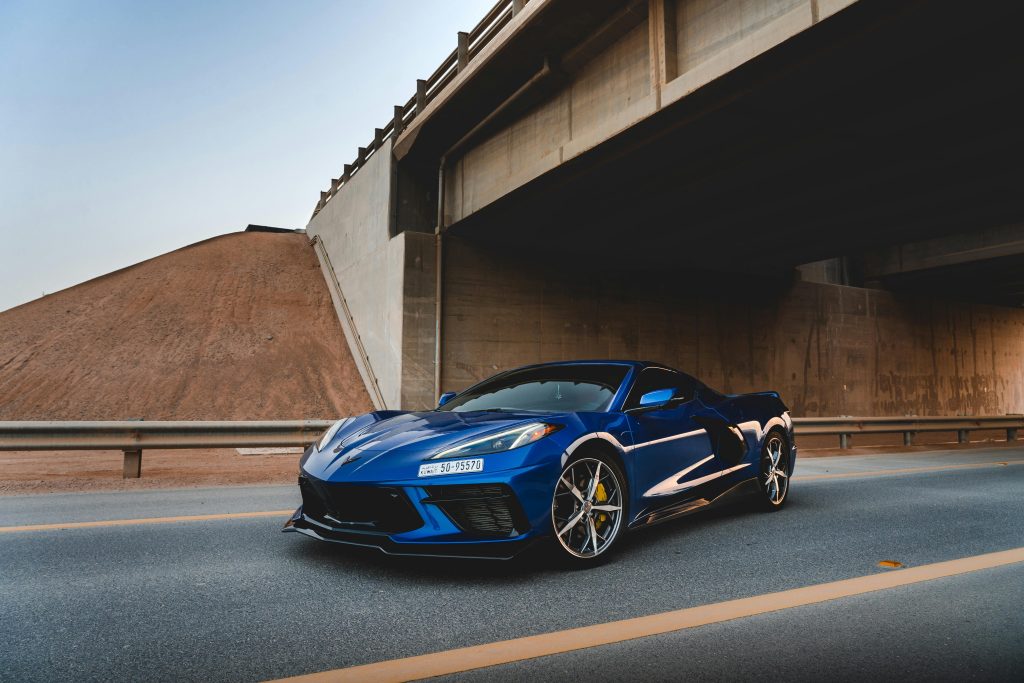
Chevy Corvette
If a roaring V8 sports car is what you desire but can’t break the bank, then look no further than the Chevy Corvette. Covering eight generations of production, the Corvette brings the iconic American experience of spartan interiors with a huge V8 to throw you around. What makes the Corvette one of the best naturally aspirated sports cars to buy is not only the performance value, but the ability to fix it literally anywhere in the world. Parts are plentiful and working on them is as simple as it gets.
Today, the C8 Corvette and its mid-engine setup is considered the best performance bargain out there aside from the S650 Mustang GT. In my opinion, the best used bargain right now is the C5 Corvette. To learn more, check out my article discussing why you should highly consider buying one!
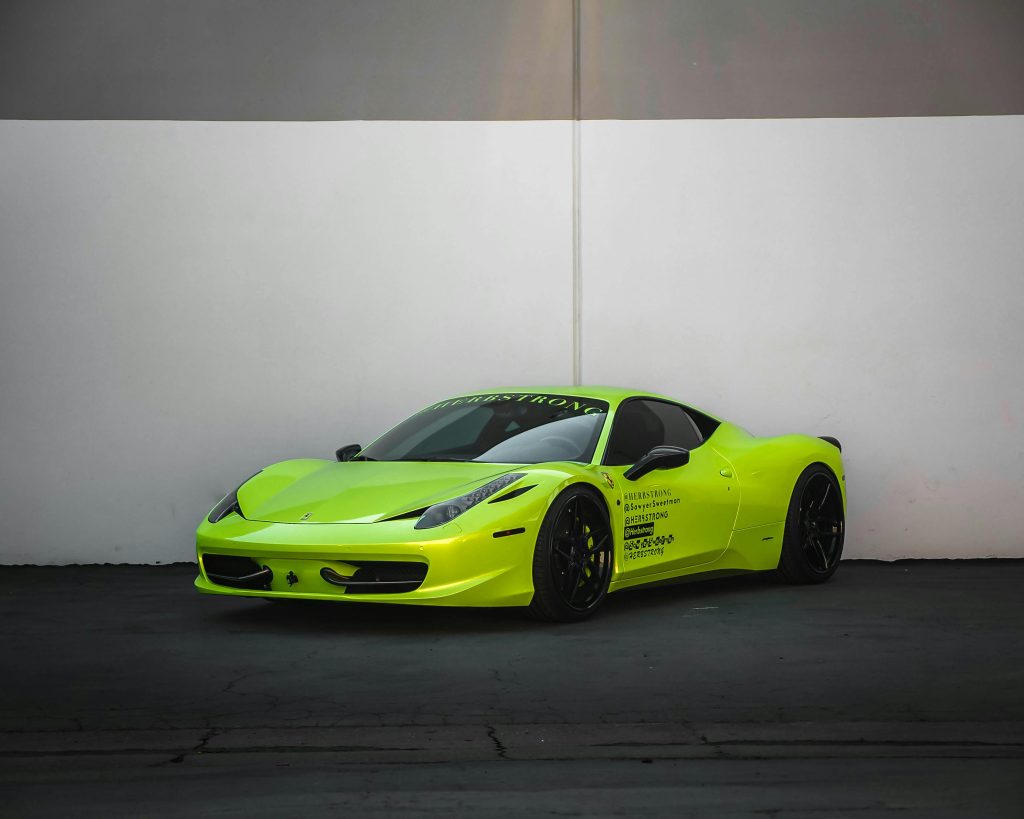
Ferrari 458
Believe me, it is absolutely impossible to talk about naturally aspirated sports cars without mentioning the Ferrari 458. This was the last implementation of a naturally aspirated Ferrari V8 and they sent it off beautifully. 562-597 horsepower on tap depending on spec and that identifiable Ferrari sound sends this car to 60 miles per hour in 3 to 3.4 seconds. Imagine driving this beast while it screams at its 9000 rpm redline!
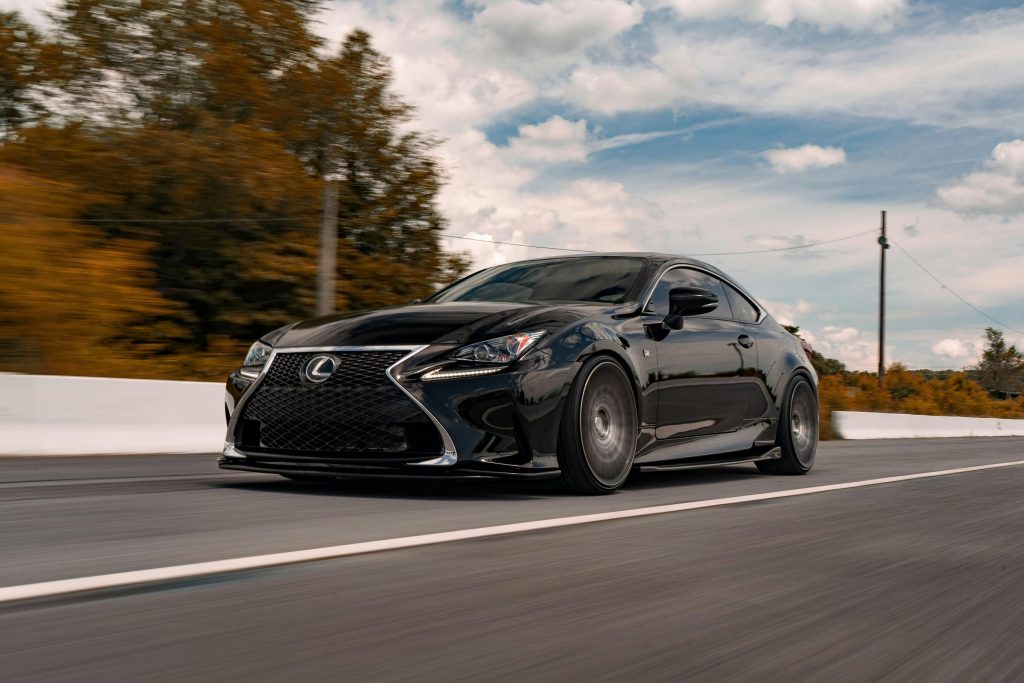
Lexus RC-F
For years, Lexus’ V8 engines were known for being indestructible, but not very fast. However, the RC-F challenges the “slow Lexus” ideology and gives us a 472 horsepower V8 engine in a rear-wheel drive GT platform. While not the lightest of the bunch, the Lexus provides luxury, comfort, and the capability to handle the power at high speeds.
In addition to its performance, the Lexus RC-F is one of my favorite sports cars made in the last decade. Lexus knows how to make a two-door sports car look good, just look at the LC500.
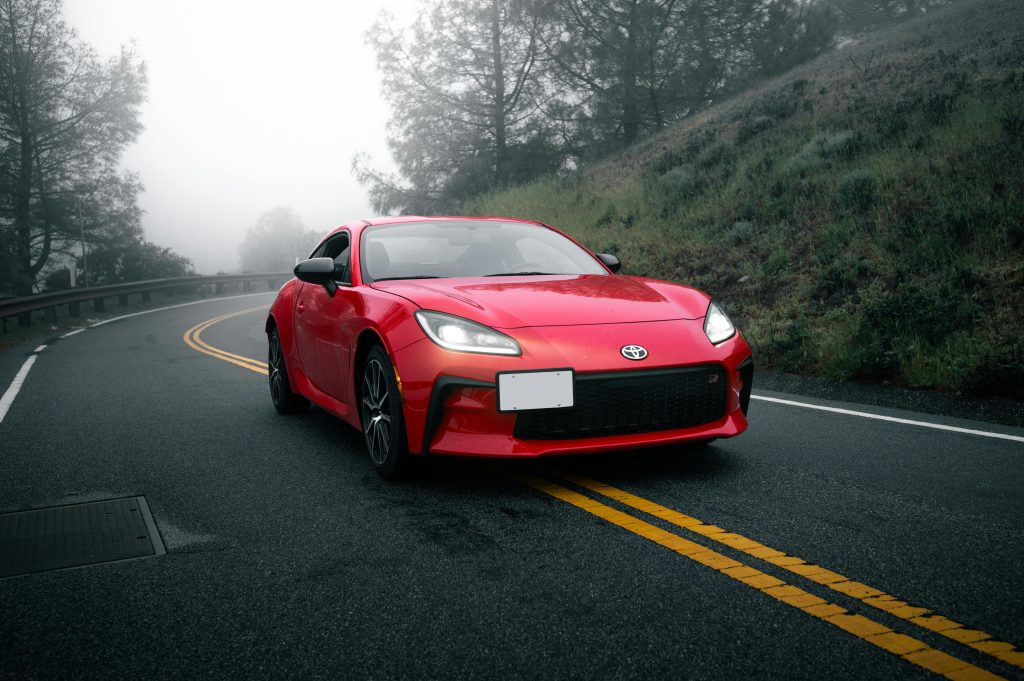
Toyota GR86 / Subaru BRZ
One of my favorite cars to talk about is the GR86/BRZ platform. It is absolutely one of the best sports cars you can get brand new for under 50k. The 2.4 liter engine isn’t the fastest or a high-revving engine, but it sets up this car for hitting the canyons or the track with ease. The suspension set up, lightweight chassis, and 228 horsepower allows the driver to take this car to the limit. That confidence inspiring performance is exactly why I think the GR86/BRZ is one of the best naturally aspirated sports cars on the market.
BMW E46 M3
To close this list out, I saved my best for last: The E46 M3. The S54 engine produces around 340 horsepower out of its 3.2 liters of displacement. To compliment this engine, BMW gives you a fantastic feeling Getrag 6-speed transmission. To this day, it remains a highly sought after naturally aspirated sports car. In fact, I think it is probably one of the best used sports cars worth buying.
If you’re on the hunt for an E46 M3 or need to know more about why you should own one, we have the article just for you right over here!
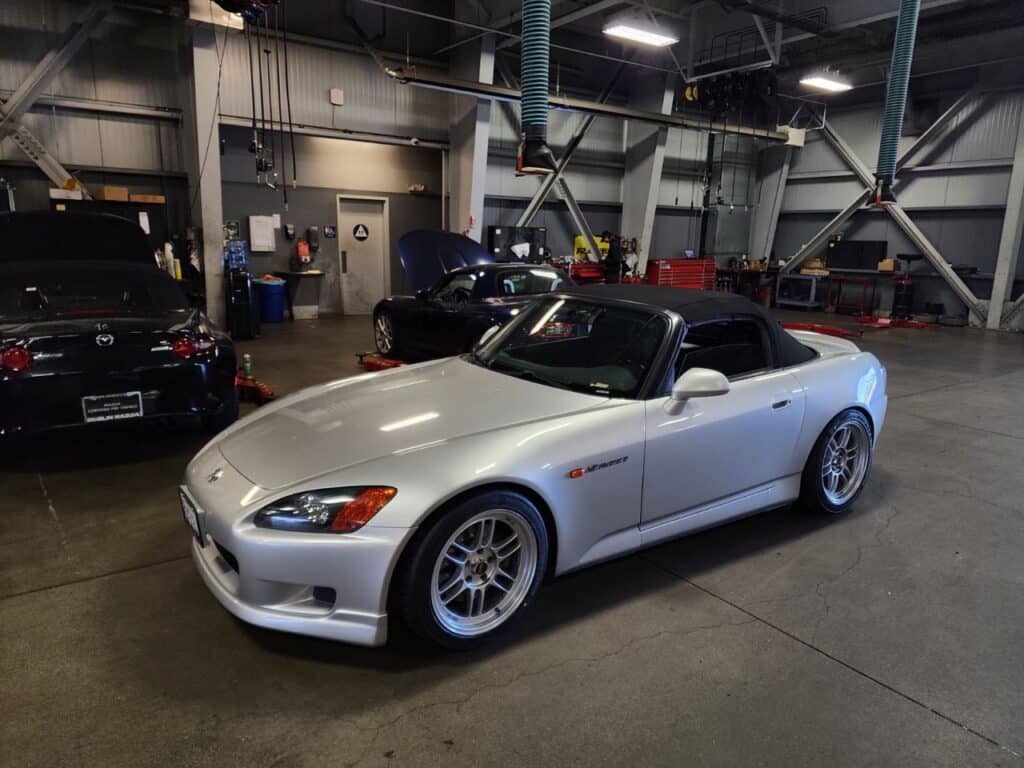
Honda S2000
To finish off this list, we have to honor one of the greatest naturally aspirated sports cars to ever grace the roadways: The Honda S2000. Whether you drive an AP1 or an AP2 model, the S2000 gives you iconic VTEC performance, an incredibly high revving engine, and an extremely rigid X-Bone chassis. Once you drive an S2000, you’ll immediately understand why these have been a dominant force in the racing and tuner scene.
Frequently Asked Questions
What Are The Pros and Cons Of Owning A Naturally Aspirated Sports Car?
Naturally aspirated sports cars offer a lot of benefits when building them as a street or track car. The instant throttle response and predictable power band makes it easier to manage your speed, especially on a technical track. There’s no turbo lag to worry about and the power being ready to go at all times allows you to use the throttle to adjust your car’s movement.
Along with the predictability, naturally aspirated engines are typically more reliable than a forced induction set up. There’s less parts that can fail in a naturally aspirated engine and less heat related issues to manage.
On the flip side, naturally aspirated engines typically produce less power and are harder to make faster. Take for example my 1966 Chevelle’s 402 cubic inch V8. That is a massive engine which produces about 350 horsepower to the wheels as it stands. Compared to a modern V8 with a turbocharger or supercharger, it will take a lot more to get it even close to the same power. Ridiculous cam profiles, stroker builds, and other modifications will be needed. However, this will ultimately make the car less drivable on the street.
Modifying a naturally aspirated sports car will cost a lot more to make significant power gains. In contrast, my 2016 Focus ST went from 210 wheel horsepower to 265 wheel horsepower with a custom tune, exhaust, intercooler, and a filter. This cost me about $1,500 including the Cobb Accessport tuner. Gaining 55 horsepower to the wheels on a naturally aspirated car will typically take heads, cam(s), intake manifold, and a full exhaust to make similar gains.
To sum it all up:
Pros:
- Instant Throttle Response
- Predictable Power Band
- Reliability
Cons:
- Lower Power Output
- Mods Don’t Produce As Much Power
Are Naturally Aspirated Sports Cars Good For Building?
Absolutely! For decades, naturally aspirated sports cars were the norm on the street and the track. As stated earlier in the pros and cons list, the reliability and predictability of a naturally aspirated engine is a huge benefit on the street and the track. This is even more important when the car is your only car.
While you may not be building big power on a naturally aspirated engine (unless it’s got an enormous amount of displacement), that power will be instant and consistent. Not having turbos or superchargers also means less concern for fuel, powertrain loss, power spikes, and cooling problems.
Want to have your vehicle featured on our website? Contact us on our website, Pinterest, or Instagram!
Keep up with the latest articles, content, and special offerings by signing up for our email newsletter!